


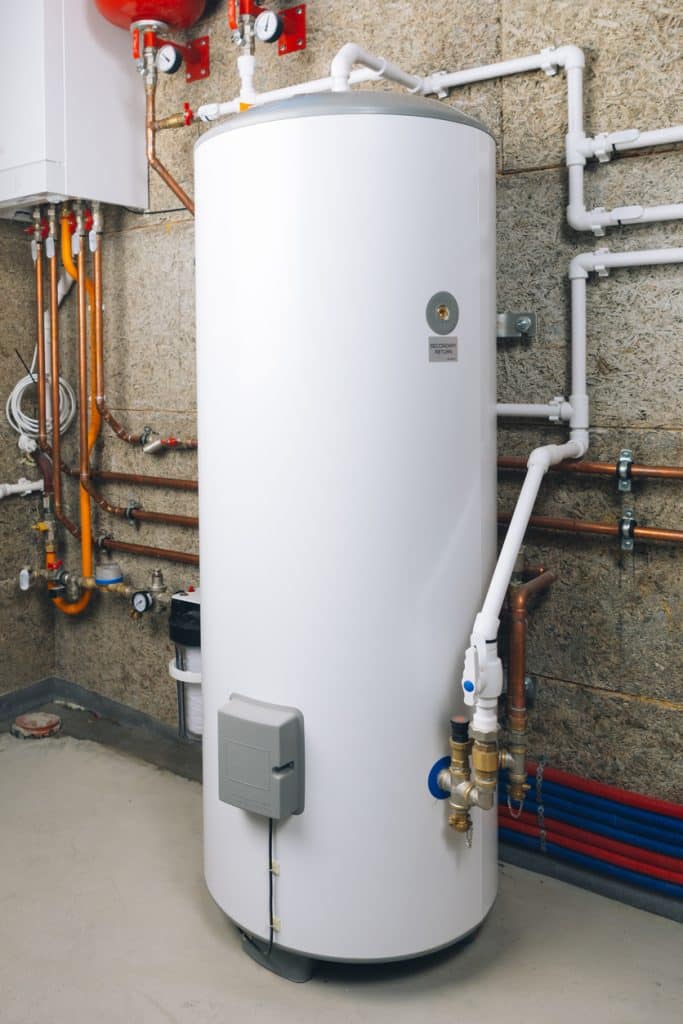
A water heater quietly supports showers, laundry, dishes, and daily cleaning. Small maintenance steps can reduce sediment, leaks, scalding risks, and surprise breakdowns. Some tasks are simple, while others you should leave for a plumber.
Schedule a Yearly Maintenance Check
A yearly inspection helps catch problems before they grow. A plumber can check valves, fittings, venting, leaks, and overall condition. Annual inspection is especially helpful when the heater is older.
Flush Sediment When Appropriate
Sediment can collect at the bottom of tank water heaters. That buildup can reduce efficiency and make heating less consistent. Flushing may help remove loose mineral deposits.
Flushing is usually helpful when the heater has received regular maintenance. Many tanks benefit from yearly flushing, especially in homes with hard water. If the tank is old or neglected, a plumber should inspect it first.
Set the Temperature to 120 Degrees
We recommended a 120-degree water heater setting because it balances comfort, safety, and energy use. It is hot enough for most bathing, cleaning, laundry, and dishwashing needs. It also helps reduce scalding risk and limit unnecessary energy use caused by overheated stored water.
Use Vacation Mode Correctly
Many newer water heaters include a vacation mode. This setting lowers energy use while keeping the system ready. It is better than leaving the settings at 120 degrees while on vacation.
Do not assume every heater works the same way. Some units need special steps before longer absences. The owner’s manual should guide this decision.
Test the Temperature and Pressure Valve
The temperature and pressure relief valve is a safety part. It releases water if pressure or temperature gets too high. A blocked or capped discharge pipe is unsafe.
Testing usually involves briefly lifting the lever. Water should flow, then stop when the lever closes. If leaking continues, the valve needs attention.
Watch for Leaks and Rust
You should never treat leaks as normal. Check around the tank, the drain valve, the supply lines, and the fittings. Rusty water may also point to tank corrosion.
Popping sounds can signal sediment inside the tank. Water that heats slowly may point to a buildup or a part failure. Early signs are easier to handle than sudden failure.
Check the Anode Rod
Many tank heaters use an anode rod inside. This rod helps protect the tank from corrosion. It wears down over time and eventually needs a plumber to replace it.
Water heater maintenance is best when small tasks happen regularly. Temperature checks, leak checks, valve testing, and sediment control all matter. Good habits help keep hot water more reliable throughout normal daily use. When you need water heater services in Baton Rouge, LA, contact Brotherhood Plumbing.